
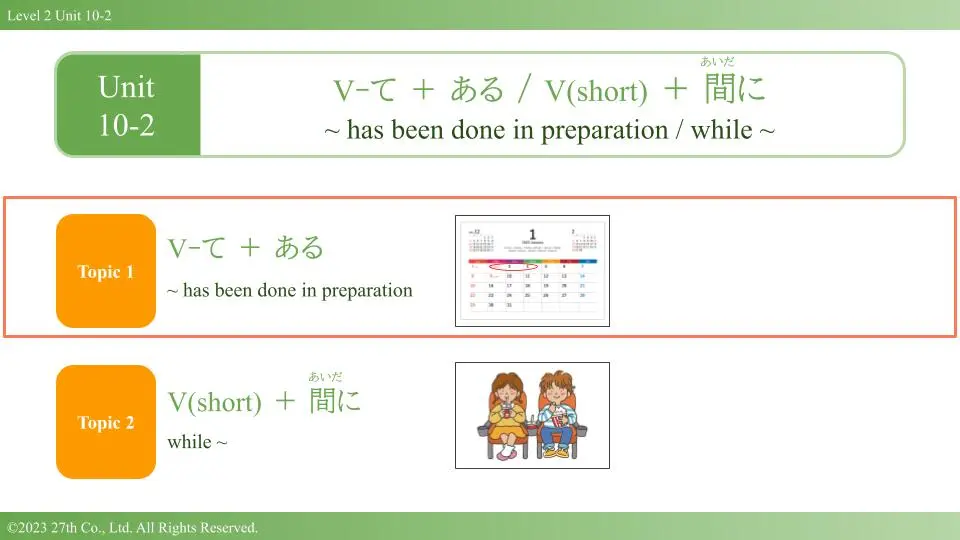
Japanese V-てある: Result of Preparation
Introduction How can we say “Plans have been written down on the notebook.” or “A hotel has been booked.” in Japanese? The grammar is V-てある. V-てある... Read more.

Japanese Passive Form れる・られる: How to Say “be ~ed” and “be done by” with Natural Examples
Introduction This lesson explains how Japanese uses the passive form to focus on the person or thing affected by an action. You will learn the core pattern, how... Read more.
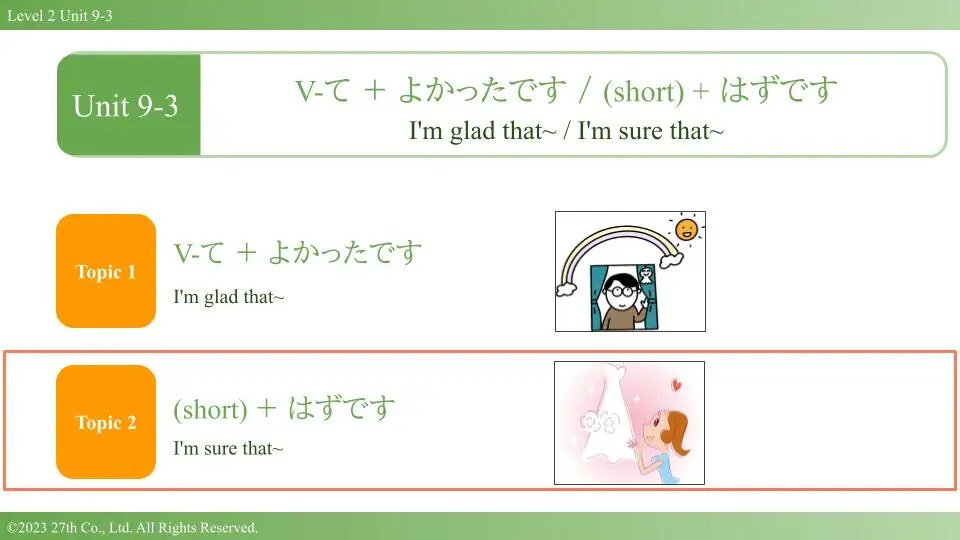
short form + はずです: Beginner’s Guide to Saying “I’m sure / It should be …” in Japanese
Introduction Want to say “It should be sunny tomorrow” or “I’m sure he’s a student”? Use short form + はずです. This pattern states a strong expectation... Read more.
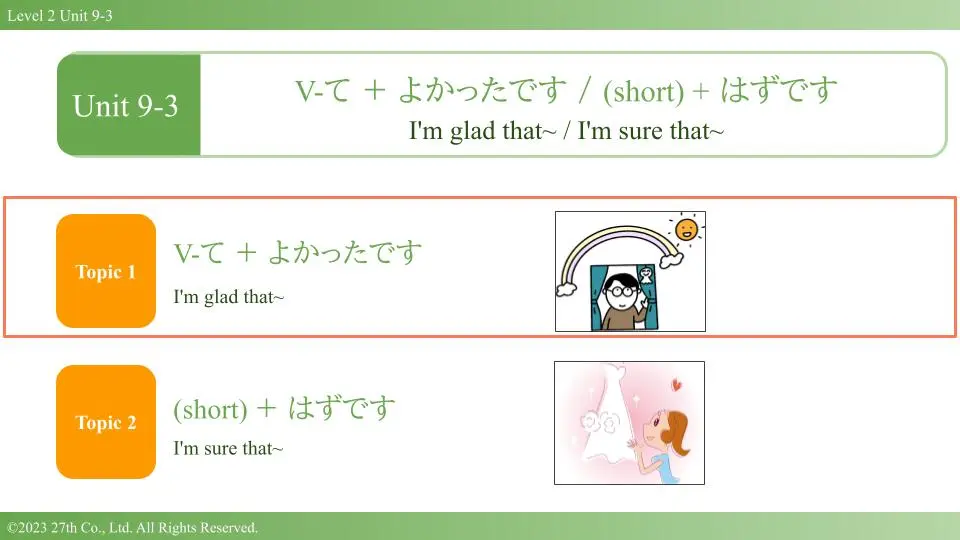
V-te + yokatta desu (〜てよかったです): The Beginner’s Pattern for “I’m glad that …” in Japanese
Introduction Want to say “I’m glad I made it” or “I’m glad it didn’t rain”? Use V-て + よかったです. It expresses relief, satisfaction, or gratitude... Read more.
Master “Sumimasen”: One of the most commonly used phrases in Japanese
If you have interacted with Japanese people, you might have heard people use “Sumimasen” quite often. It is such a useful, yet complicated phrase. Let’s... Read more.
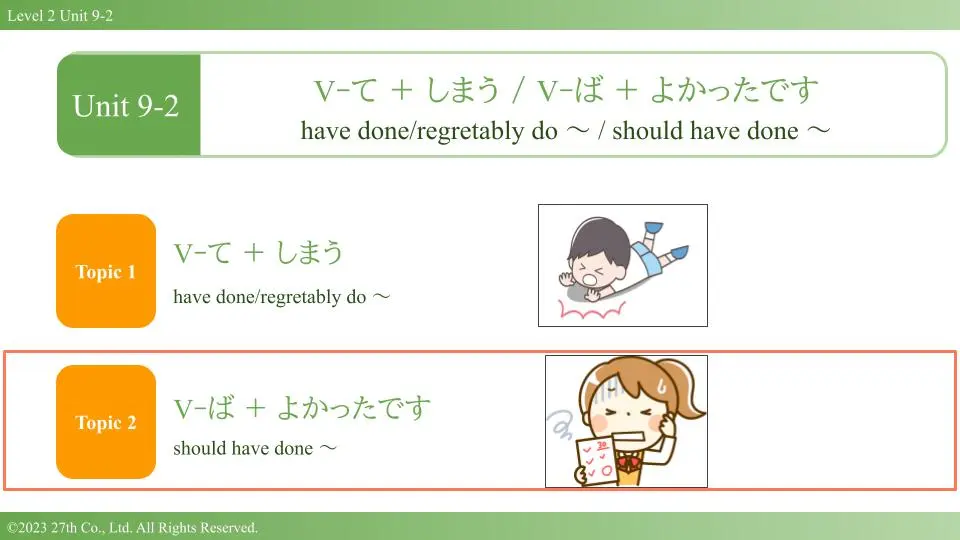
How to Say “I Should Have…” in Japanese (V-ば + よかったです)
Introduction Want to say “I wish I had studied” or “I shouldn’t have said that” in Japanese? Use V-ば + よかったです. This pattern expresses a past... Read more.
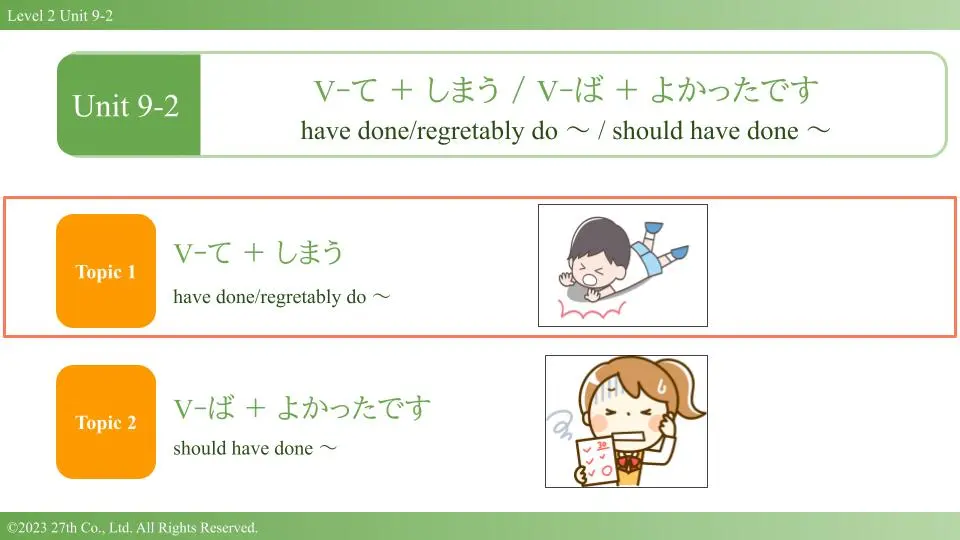
How to Use “〜てしまう” in Japanese: Finish or Accidentally End Up Doing
Introduction How to express that you have finished doing something / that something regrettable happens? The grammar pattern is “~てしまう.” The... Read more.
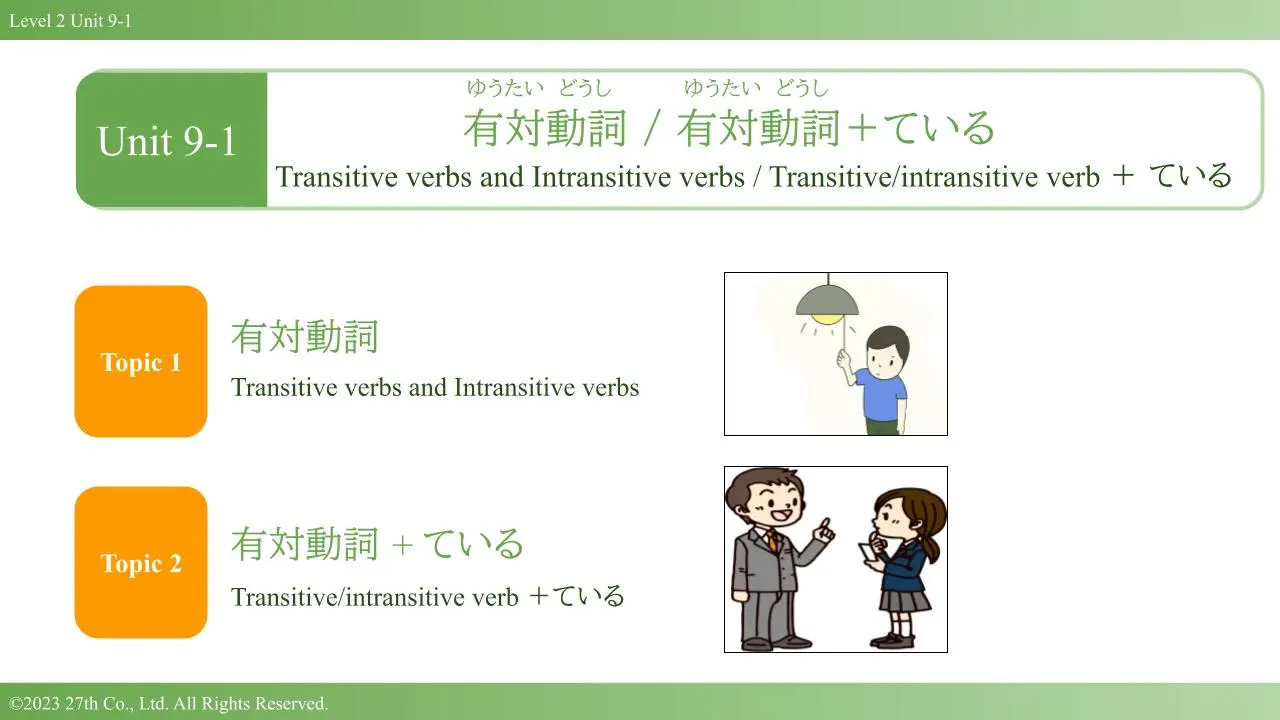
Transitive vs. Intransitive Verb Pairs in Japanese (有対動詞) + 〜ている
Introduction This lesson brings together two essentials: transitive vs. intransitive verb pairs (有対動詞) and how 〜ている behaves with them. You’ll learn... Read more.
(short form) + ka / (short form) + ka dou ka: Beginner’s Guide to “whether/if …” in Japanese
Introduction Want to say “I don’t know if it will rain,” or “Do you remember when we went”? Japanese uses the embedded-question patterns (short form) +... Read more.
N1 to iu N2 (〜という): Beginner’s Guide to “a N2 called N1” in Japanese
Introduction Want to say “a city called Melbourne,” “a friend named John,” or “an anime called Doraemon”? Use N1 という N2. This beginner-friendly... Read more.