

何といっても (nanto ittemo) — “Above all / undeniably”
Introduction Have you ever wanted to say, “No matter what, this is the #1 choice” in Japanese? For example: When you want to highlight the most important point... Read more.
Nといえば (N to ieba): “Speaking of…” / “When you mention…”
Introduction Do you know the phrase Nといえば? It’s a natural way to react when someone mentions something and you want to connect it to a well-known image,... Read more.
Master “Sumimasen”: One of the most commonly used phrases in Japanese
If you have interacted with Japanese people, you might have heard people use “Sumimasen” quite often. It is such a useful, yet complicated phrase. Let’s... Read more.
Mottainai: The Japanese philosophy of respecting resources/Guilt towards wasting
Have you heard of the Japanese word mottainai (もったいない, pronounced “moh-tai-nai”)? It captures the feeling that it’s a shame to waste anything valuable—food,... Read more.
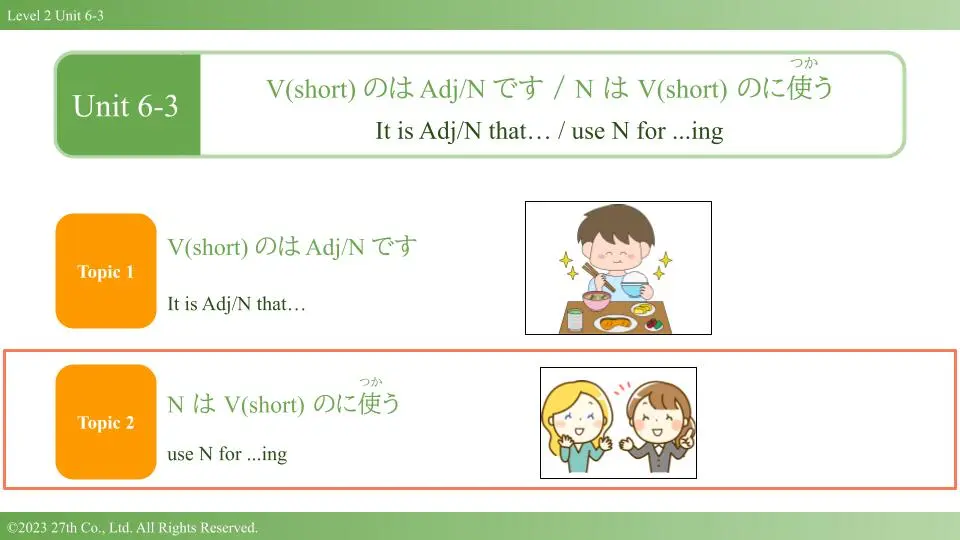
N wa V no ni tsukaimasu (N は Vのに使います): Beginner’s Guide to Saying “Use N for …-ing” in Japanese
Introduction Need to say “We use scissors for cutting paper” or “This laptop is handy for writing reports” in Japanese? The go-to expression is N は V-のに... Read more.
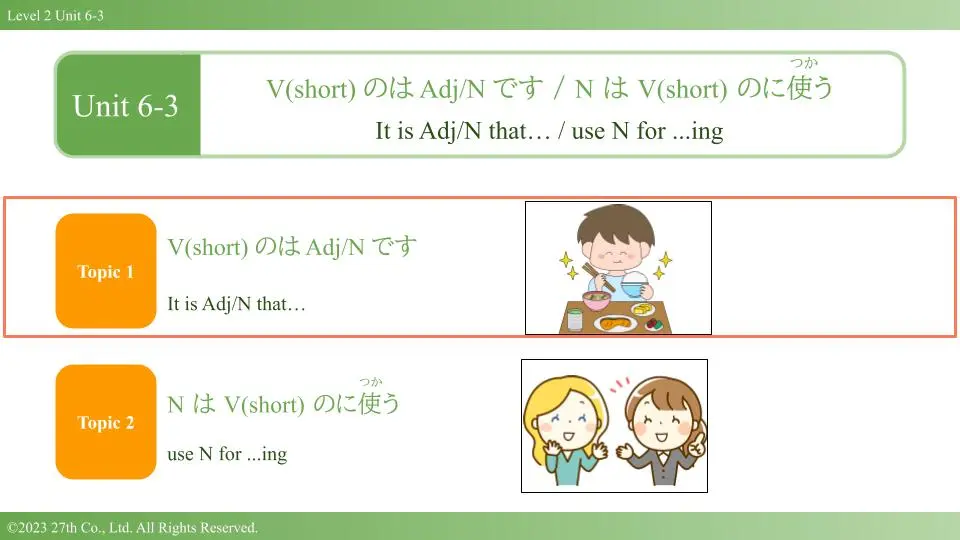
no wa … desu (のは…です): Beginner Guide to Emphasizing “It Is Adj/N That …” in Japanese
Introduction Ever wanted to stress one specific part of a Japanese sentence—“It’s grammar that’s hard,” or “It was last night that I arrived”? The... Read more.
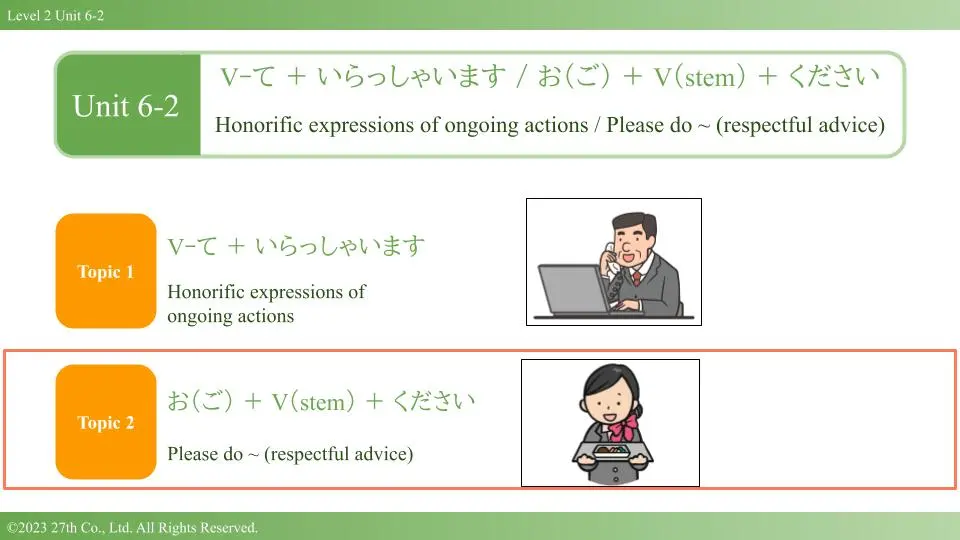
o-verb-stem kudasai (お〜ください): Beginner’s Guide to Respectful “Please Do” in Japanese
Introduction You already know basic “please” in Japanese—〜てください.But when you must ask a customer, guest, or professor to do something, you upgrade... Read more.
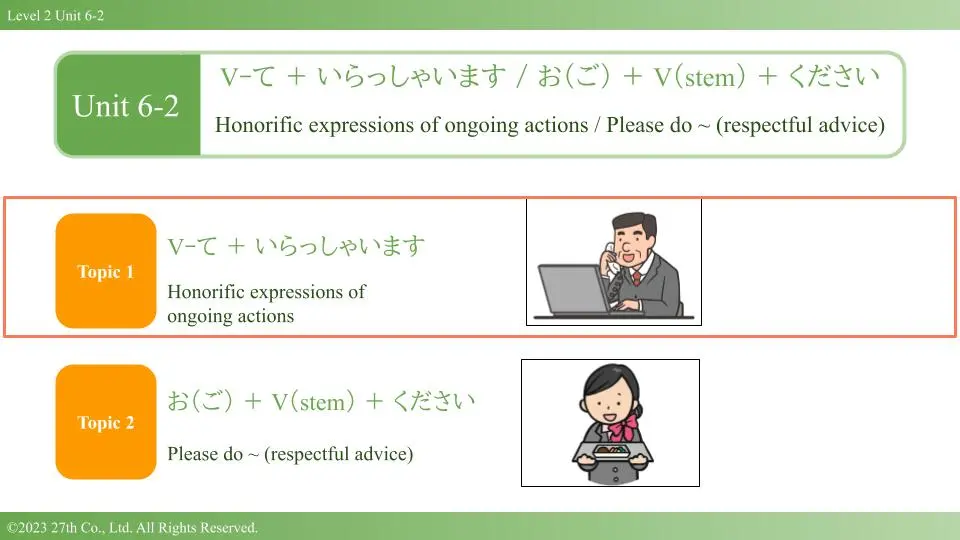
V-te irasshaimasu (て いらっしゃいます): Beginner Guide to Honorific “-ing” in Japanese
Introduction Need to say “Professor Tanaka is reading” or “The CEO is on the phone” politely?Use the honorific progressive form V-て いらっしゃいます.... Read more.
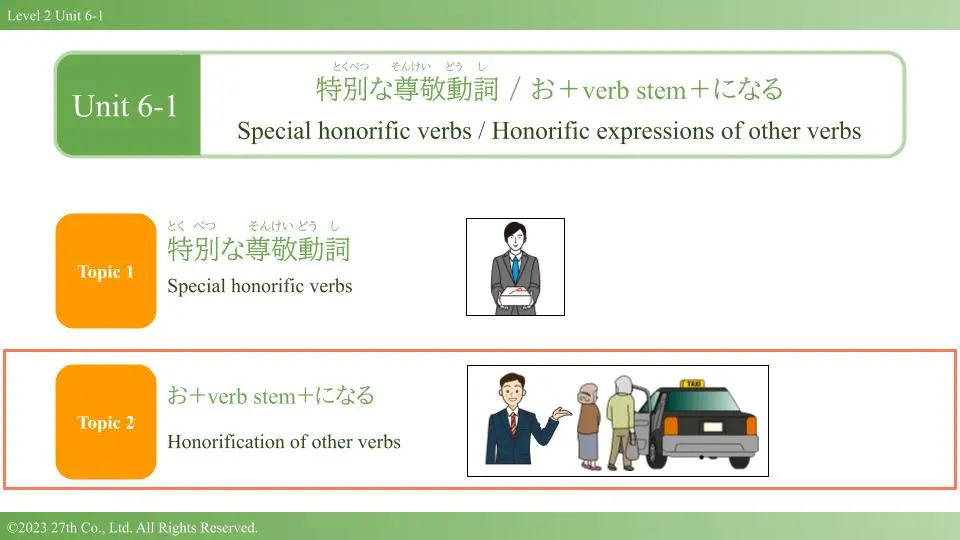
o-verb-stem-ni naru (お〜になる): Beginner’s Guide to Honorifying Japanese Verbs
Introduction You already know there are a handful of special honorific verbs like いらっしゃる and 召し上がる. But how do we show respect for all the... Read more.
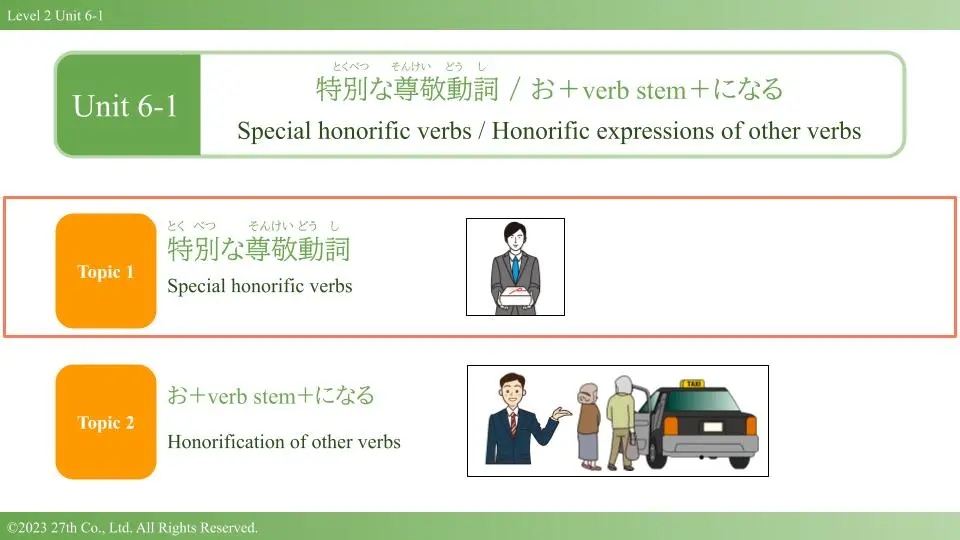
special honorific verbs (sonkeigo): quick guide for beginners
Introduction In Japanese, actions done by people of higher social status than you (such as your superiors, teachers or customers) have to be described with politeness... Read more.