

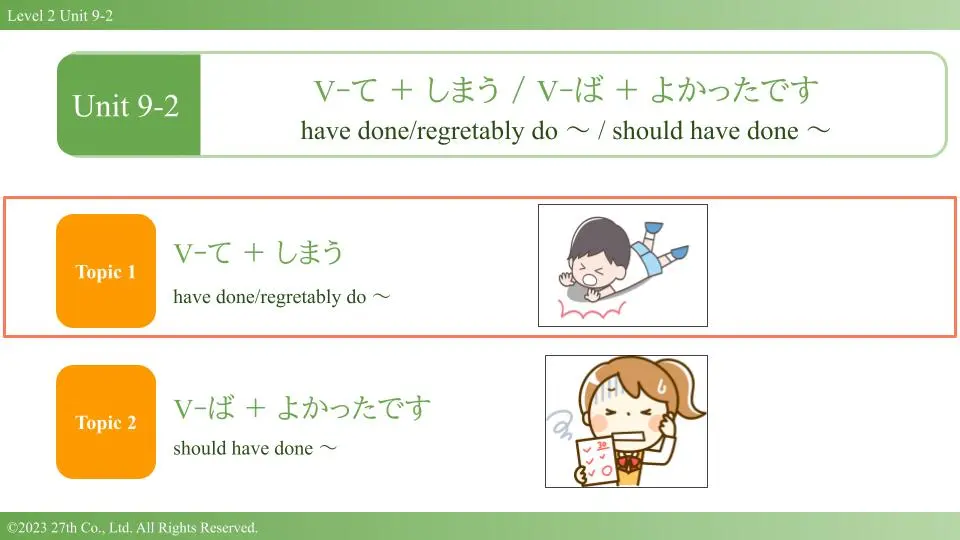
How to Use “〜てしまう” in Japanese: Finish or Accidentally End Up Doing
Introduction How to express that you have finished doing something / that something regrettable happens? The grammar pattern is “~てしまう.” The... Read more.
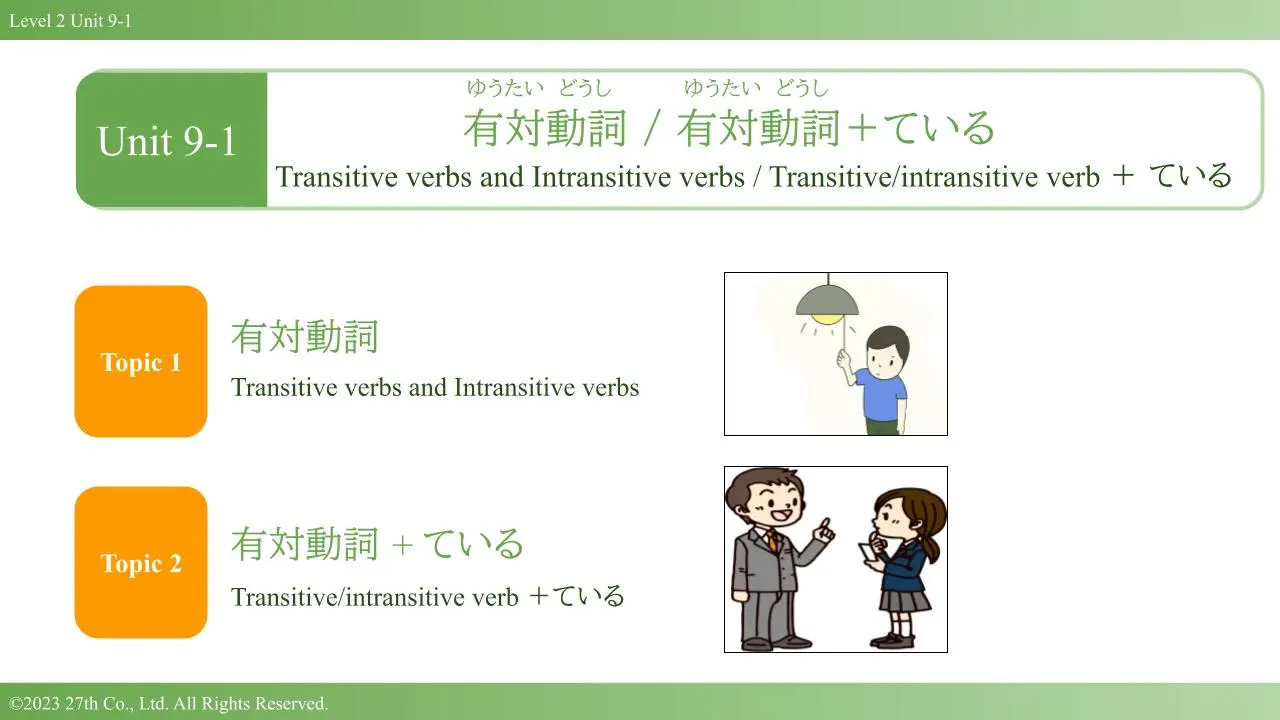
Transitive vs. Intransitive Verb Pairs in Japanese (有対動詞) + 〜ている
Introduction This lesson brings together two essentials: transitive vs. intransitive verb pairs (有対動詞) and how 〜ている behaves with them. You’ll learn... Read more.
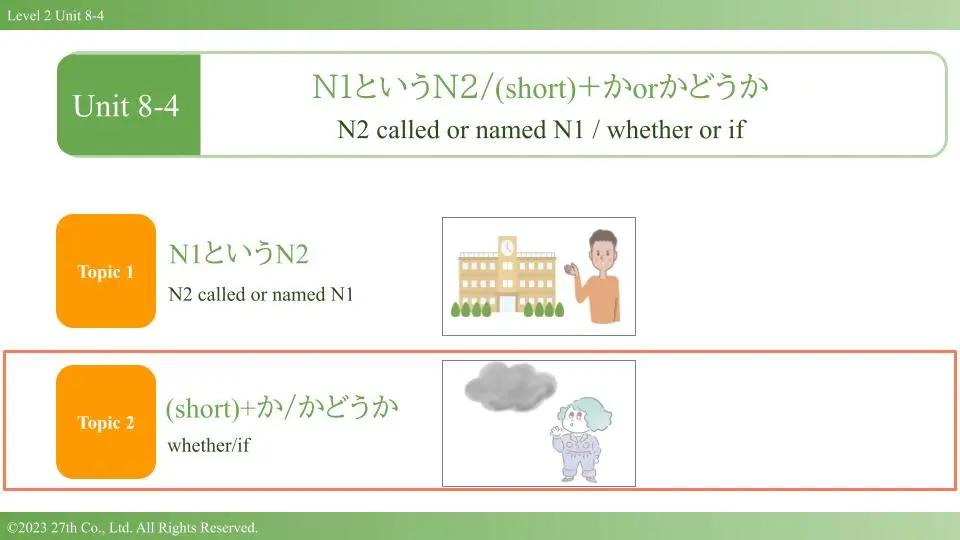
(short form) + ka / (short form) + ka dou ka: Beginner’s Guide to “whether/if …” in Japanese
Introduction Want to say “I don’t know if it will rain,” or “Do you remember when we went”? Japanese uses the embedded-question patterns (short form) +... Read more.
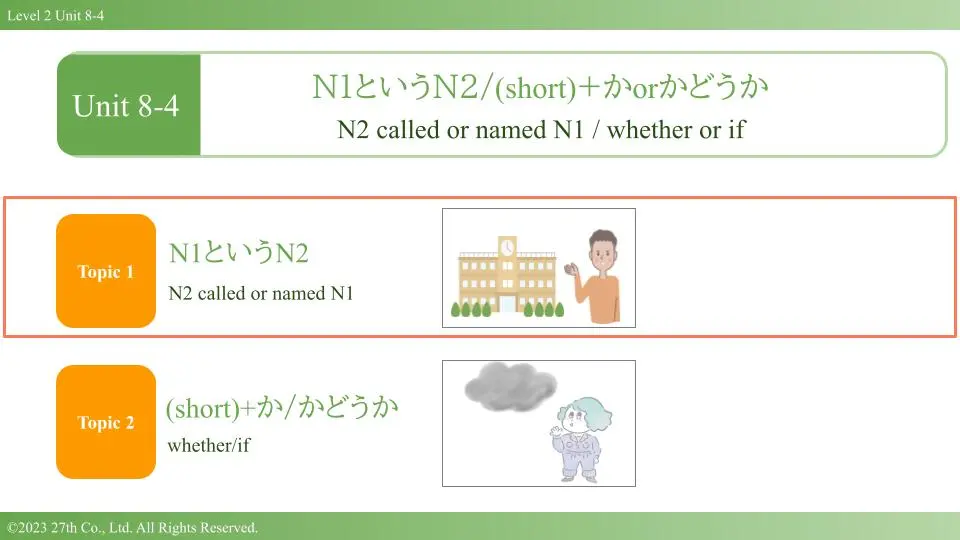
N1 to iu N2 (〜という): Beginner’s Guide to “a N2 called N1” in Japanese
Introduction Want to say “a city called Melbourne,” “a friend named John,” or “an anime called Doraemon”? Use N1 という N2. This beginner-friendly... Read more.
21 Japanese Swear Words, Insults, and Bad Language to Avoid in 2025
Japanese has rude words—but they’re used far less casually than in many Western languages, and anime often exaggerates them for drama. This guide explains 21... Read more.
Mottainai: The Japanese philosophy of respecting resources/Guilt towards wasting
Have you heard of the Japanese word mottainai (もったいない, pronounced “moh-tai-nai”)? It captures the feeling that it’s a shame to waste anything valuable—food,... Read more.

20 Ways to Say “You’re Welcome” in Japanese: From Casual to Formal
Saying “you’re welcome” in Japanese isn’t one-size-fits-all. While textbooks teach どういたしまして (dō itashimashite), everyday conversations often... Read more.
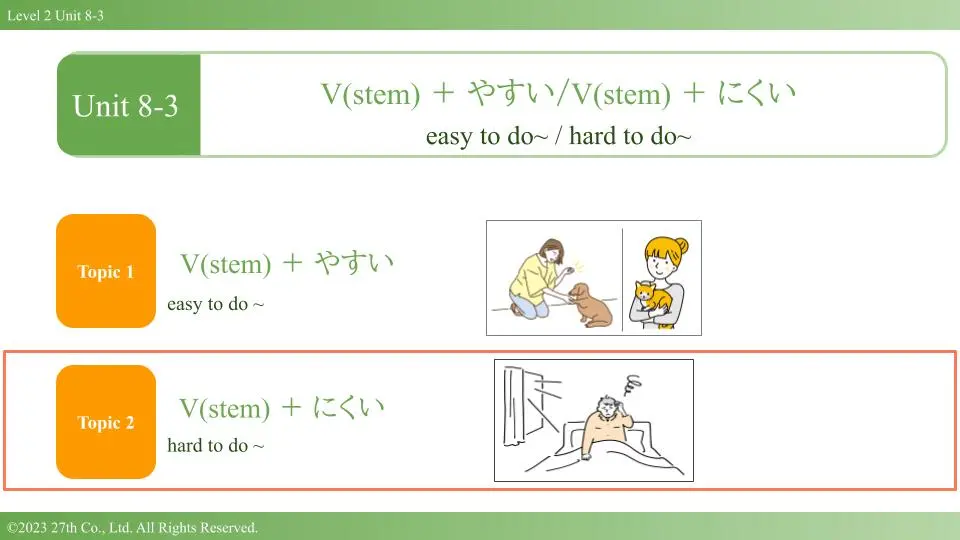
V-stem + にくい: Beginner’s Guide to Saying “Hard to Do” in Japanese
Introduction Want to say “These sneakers are hard to put on” or “That company was hard to work at”? Use V-stem + にくい, a handy pattern that describes... Read more.
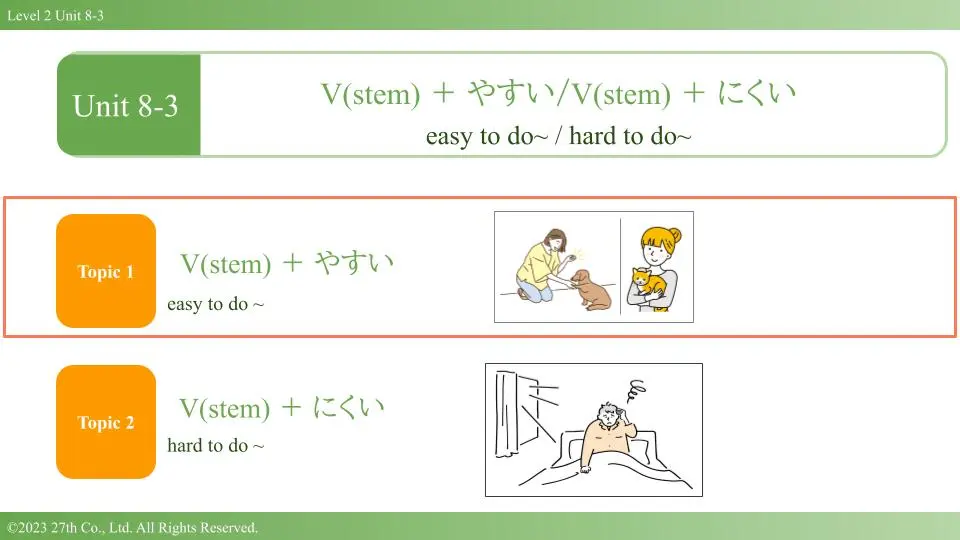
V-stem + やすい: Beginner’s Guide to Saying “Easy to Do” in Japanese
Introduction Want to say “This phone is easy to use” or “The teacher was easy to talk to”? Use V-stem + やすい, a super-handy pattern that describes how... Read more.
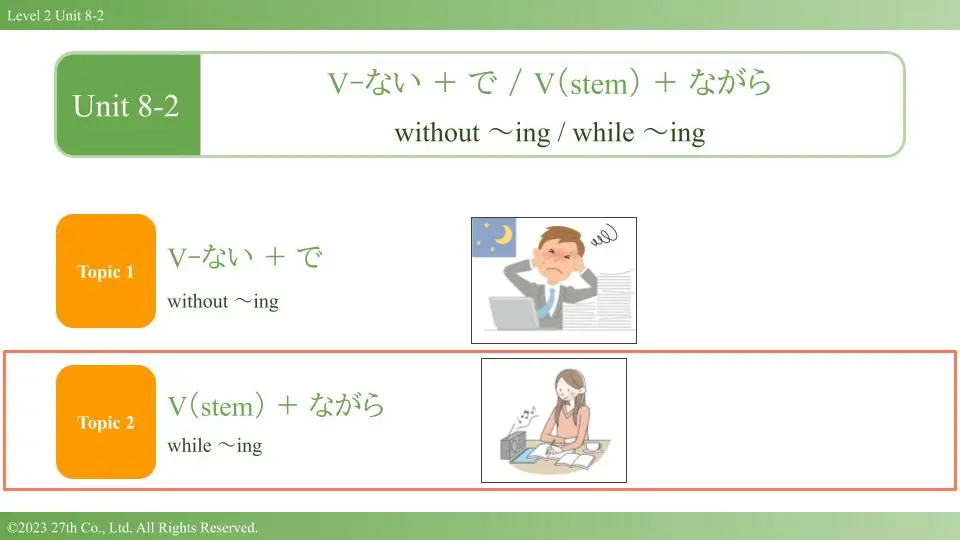
V-stem + nagara (〜ながら): Beginner’s Guide to Saying “While ~ing” in Japanese
Introduction Want to say “I study while listening to music” or “Kenta is cooking while singing”?Use V-stem + ながら. This pattern links two actions that... Read more.