

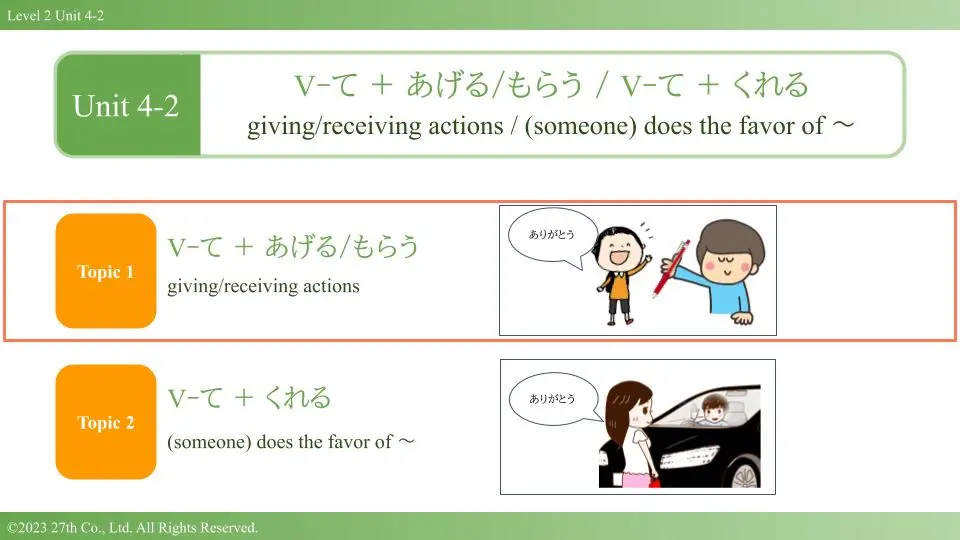
How to Use V-てあげる and V-てもらう in Japanese | Giving and Receiving Actions
Introduction In Japanese, expressing that you do something as a favor for someone, or that you receive a favor from someone, involves using the V-てあげる (te... Read more.
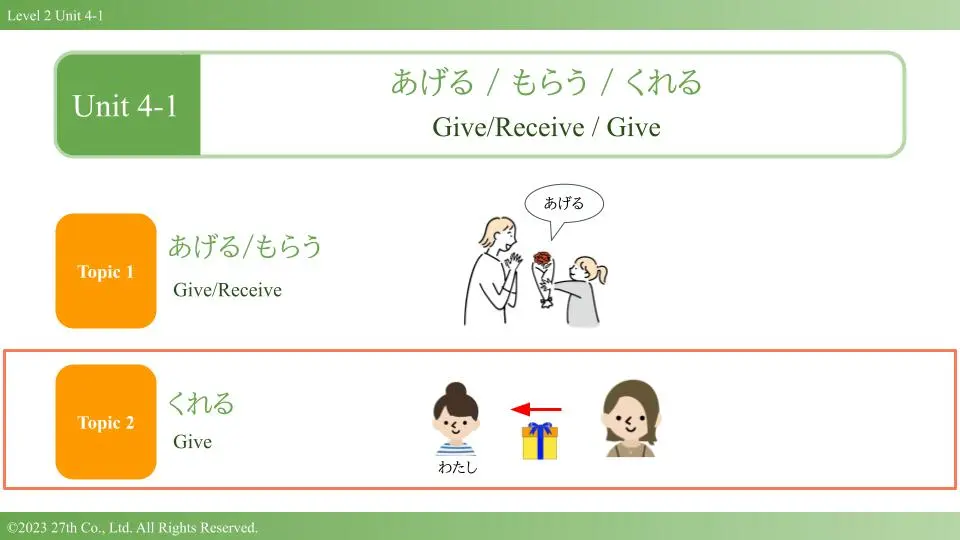
How to Use Kureru (くれる) in Japanese | When Someone Gives You Something
Introduction Want to say “someone gave me something” in Japanese? In English, you use ‘give’ or ‘receive’ depending on the action.... Read more.
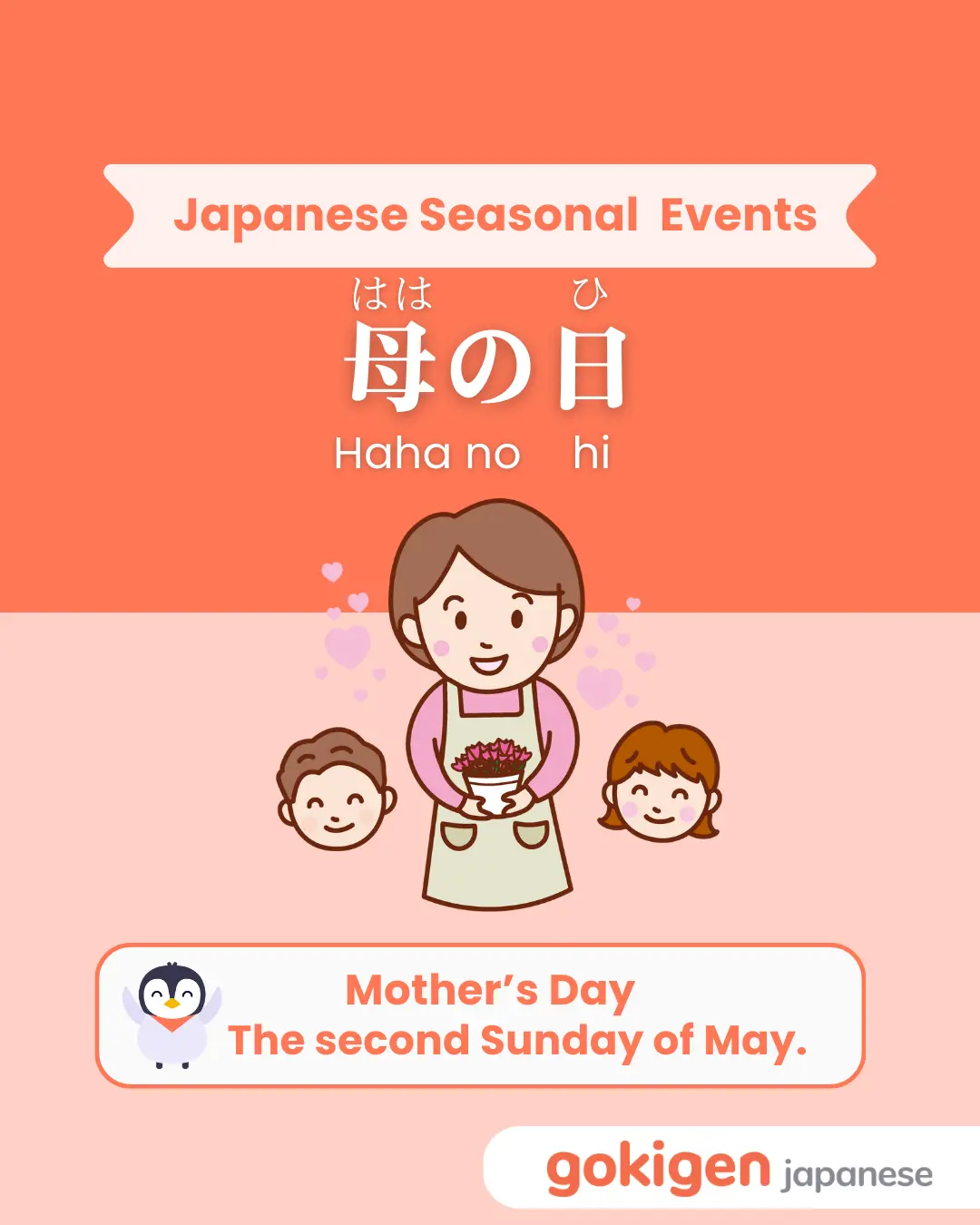
Haha no Hi (母の日) – Mother’s Day in Japan, Second Sunday of May
Background Origins and Meaning Mother’s Day (母の日, Haha no Hi) in Japan is celebrated on the second Sunday of May. It honors mothers and motherhood, inspired... Read more.
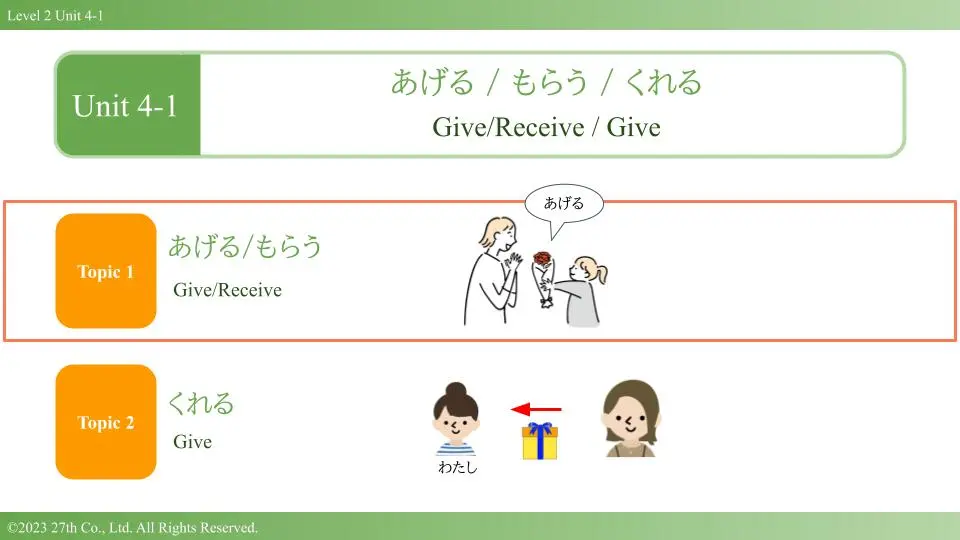
How to Use Ageru and Morau in Japanese | Express Giving and Receiving
Introduction Want to talk about giving or receiving something in Japanese? Whether you’re describing a birthday gift, a thank-you present, or daily exchanges,... Read more.
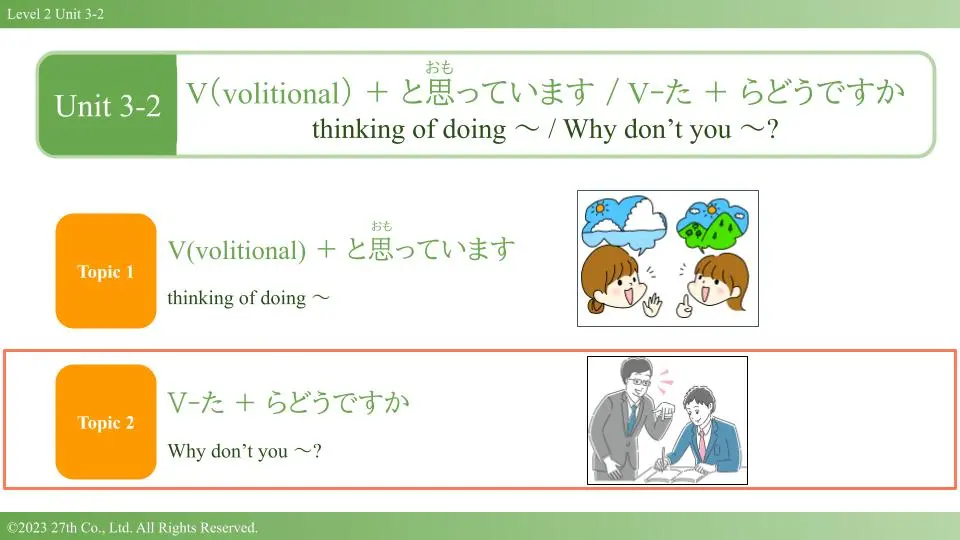
Offering Friendly Advice in Japanese: Mastering V-た + らどうですか
Introduction Have you ever wanted to suggest a course of action to someone in Japanese, like “Why don’t you take some medicine?” or “How... Read more.
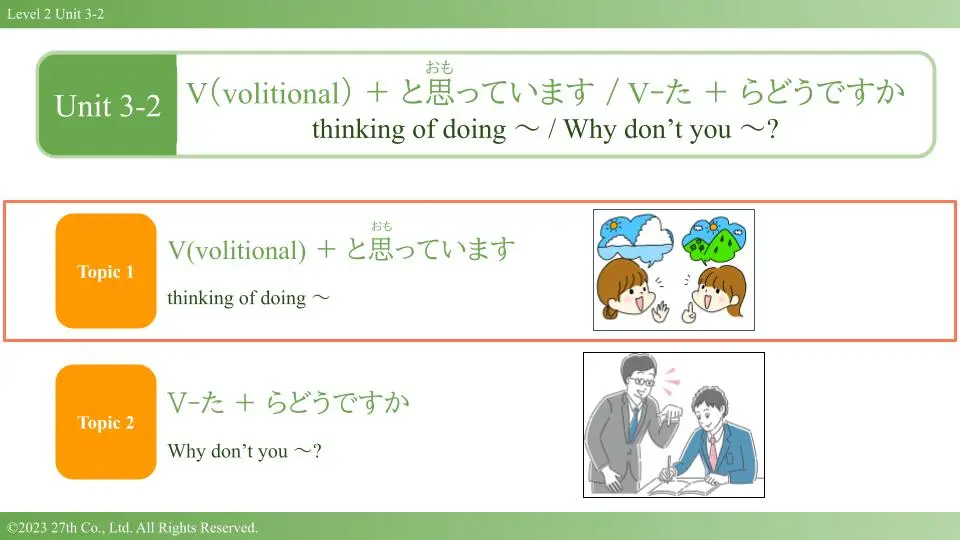
Making Plans in Japanese: Expressing Intentions with V(volitional) + と思っています
Introduction You’ve learned how to make casual invitations with the volitional form (e.g., 行こう! – Let’s go!). Now, let’s explore... Read more.
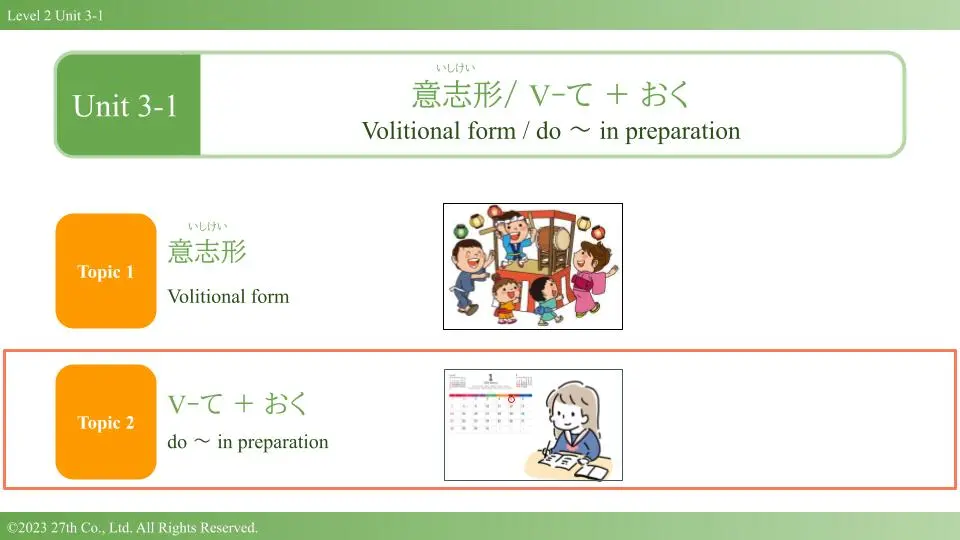
Getting Ready in Japanese: Mastering V-ておく (te oku)
Introduction In Japanese, when you want to talk about doing something in advance – whether it’s preparing for a future event or leaving something in a certain... Read more.
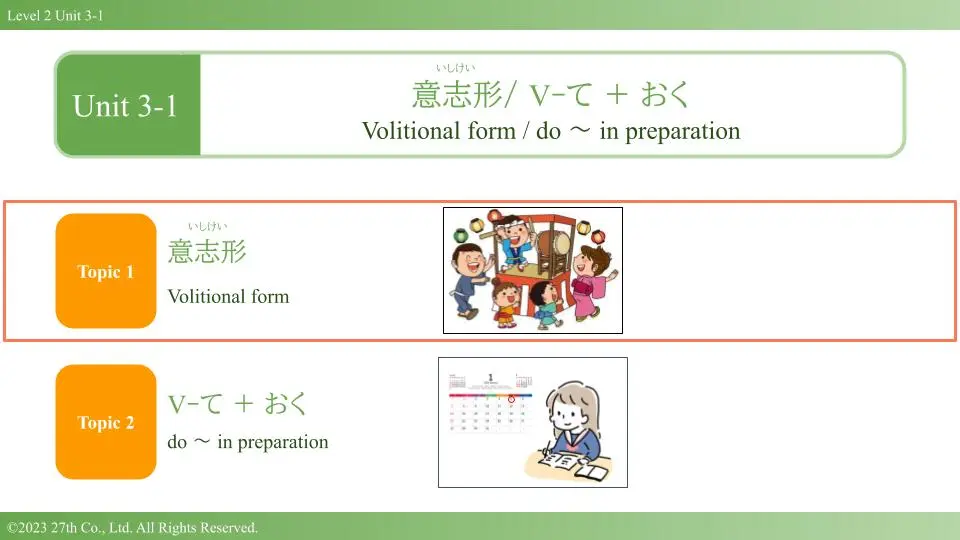
Mastering the Japanese Volitional Form (意志形): Casual Invitations and Suggestions
Introduction Want to invite friends to do something in Japanese, like “Let’s eat!” or “Shall we go?” The Japanese volitional form (意志形いしけい)... Read more.
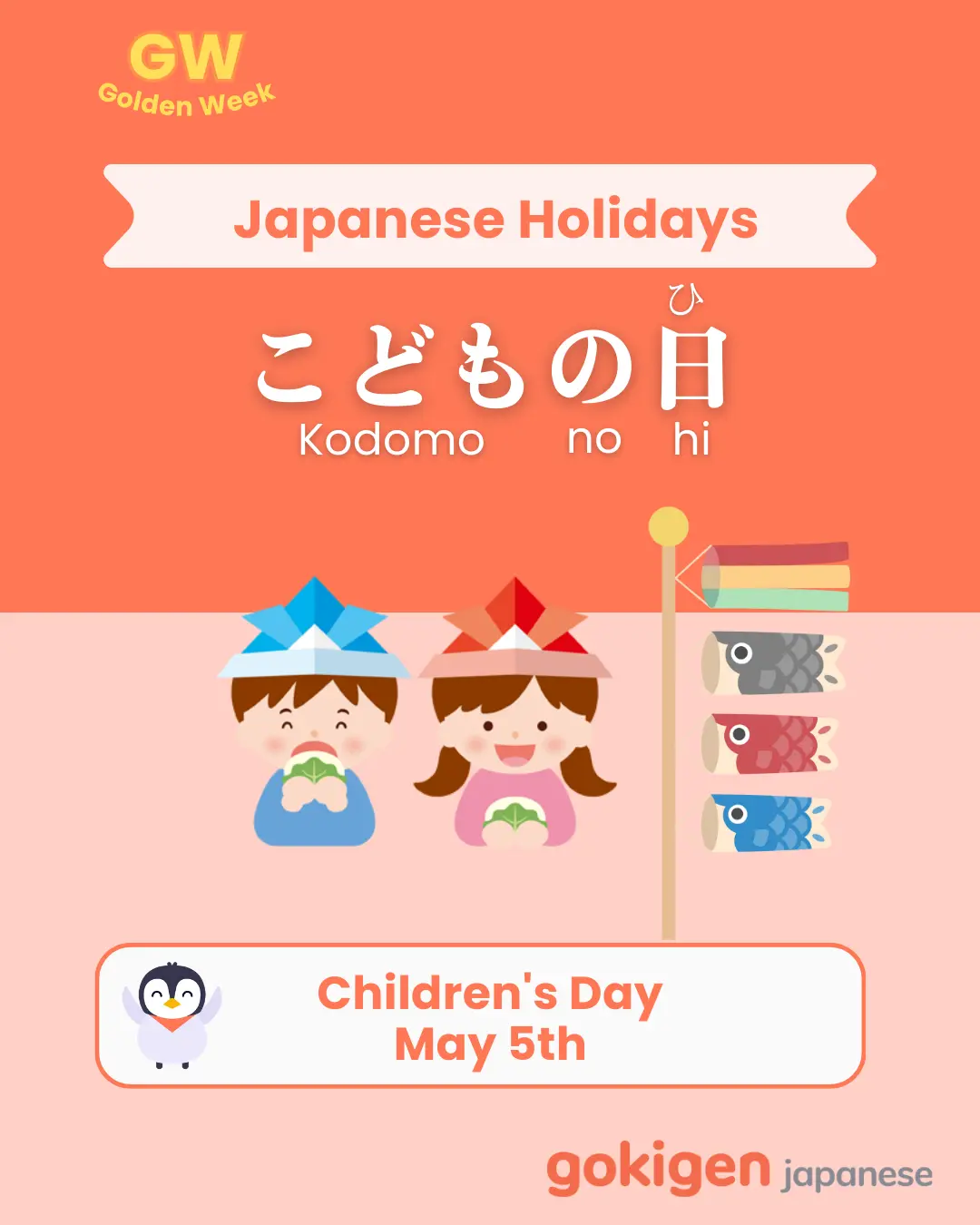
Kodomo no Hi (こどもの日) – Japan’s Children’s Day (May 5th) Traditions, Symbols & Golden Week Fun
Background Celebrating Growth and Happiness Children’s Day (こどもの日ひ), celebrated on May 5th, is a Japanese national holiday that honors children’s... Read more.
How to Qualify Nouns with Sentences in Japanese
introduction In Japanese, you can modify a noun directly with a sentence. The pattern is simple: (Sentence) + Noun This structure works like an adjective,... Read more.