

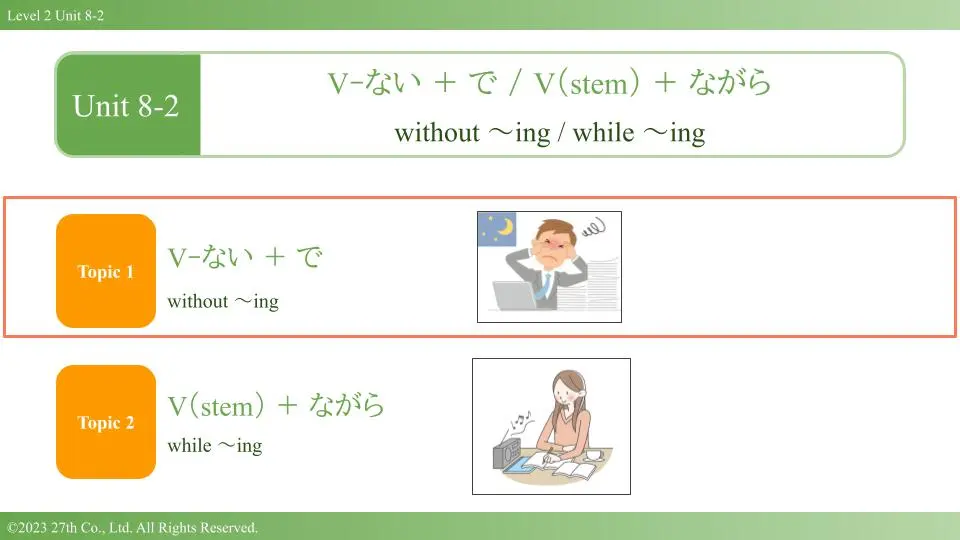
V-nai de (~ないで): Beginner’s Guide to Saying “Without ~ing” in Japanese
Introduction Want to say “I went out without an umbrella” or “He sleeps without turning off the lights”? The core beginner pattern is V-ないで. It attaches... Read more.
Arigato Gozaimasu: How Do You Say Thank You in Japanese
1. What Does Arigatō Gozaimasu Mean? 1-1 The Direct Translation of Arigatō Japanese doesn’t have a perfect one-word match for the English “thank you,” but... Read more.
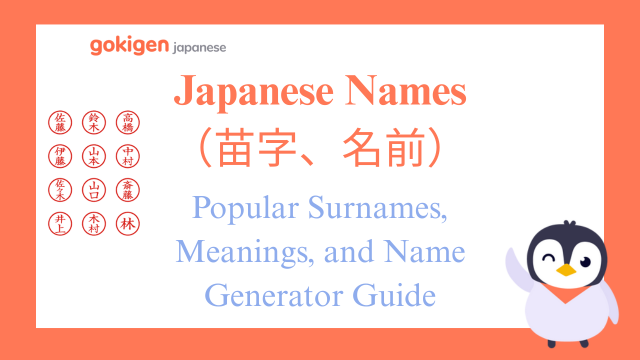
Japanese Names: Popular Surnames, Meanings, and Name Generator Guide
1. What Are Japanese Names? A Cultural Overview 1-1 Japanese Naming Structure: Family Name First, Given Name Second In Japanese, the family name (苗字 myōji)... Read more.
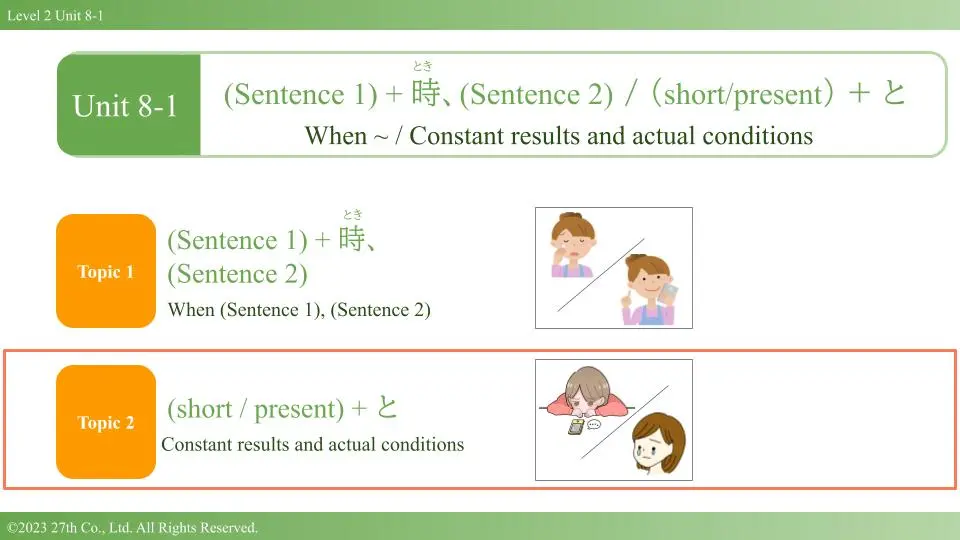
short-present + と: Beginner’s Guide to “Whenever A Happens, B Happens” in Japanese
Introduction Want to say “Whenever I drink coffee, I can’t sleep” or “When spring comes, cherry blossoms bloom”? Japanese uses Event A (short form, present)... Read more.
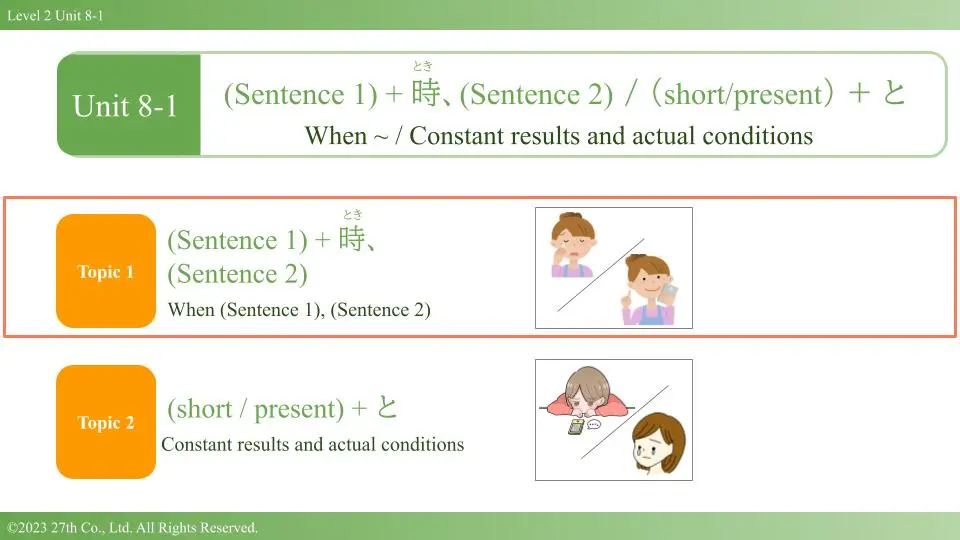
toki (時): Beginner’s Guide to Saying “When (Sentence 1), Sentence 2” in Japanese
Introduction Need to say “When I study, I listen to music” or “When I went to Japan, I skied”? Use the clause pattern (Sentence 1) + 時(とき), (Sentence... Read more.
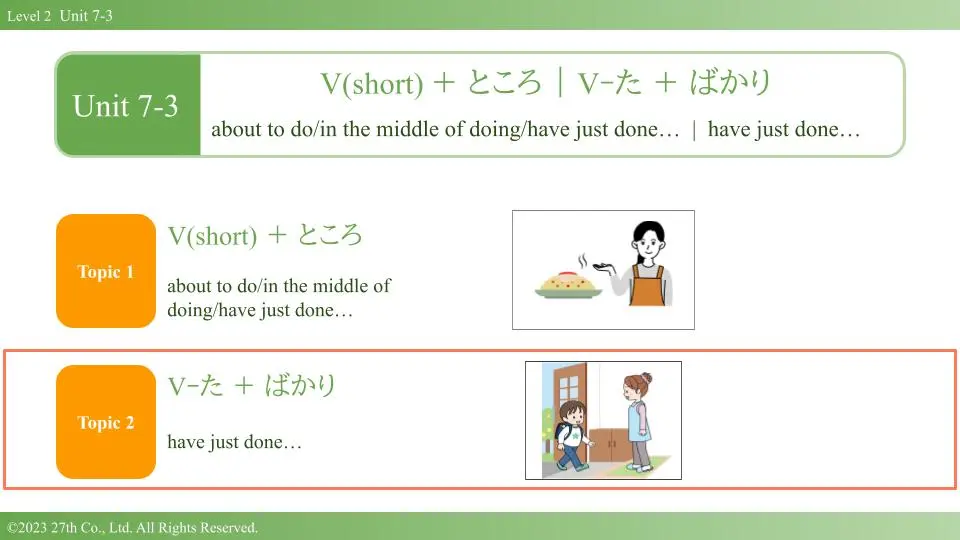
V-ta bakari (V-たばかり): Beginner’s Guide to Saying “Have Just …” in Japanese
Introduction Need to tell someone you just arrived, just ate, or just started a new job? The grammar you want is V-た + ばかり. It means “have just done …,”... Read more.
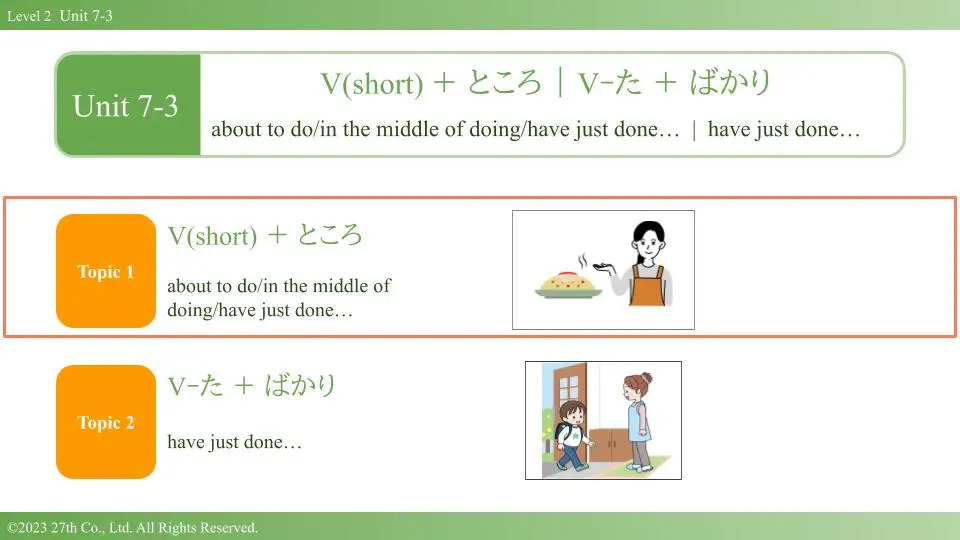
V-tokoro (V + ところ): Beginner’s Guide to Saying “About to / In the Middle of / Have Just …” in Japanese
Introduction Want to say “I’m about to leave,” “I’m in the middle of cooking,” or “I’ve just finished homework” in Japanese? All three ideas use... Read more.
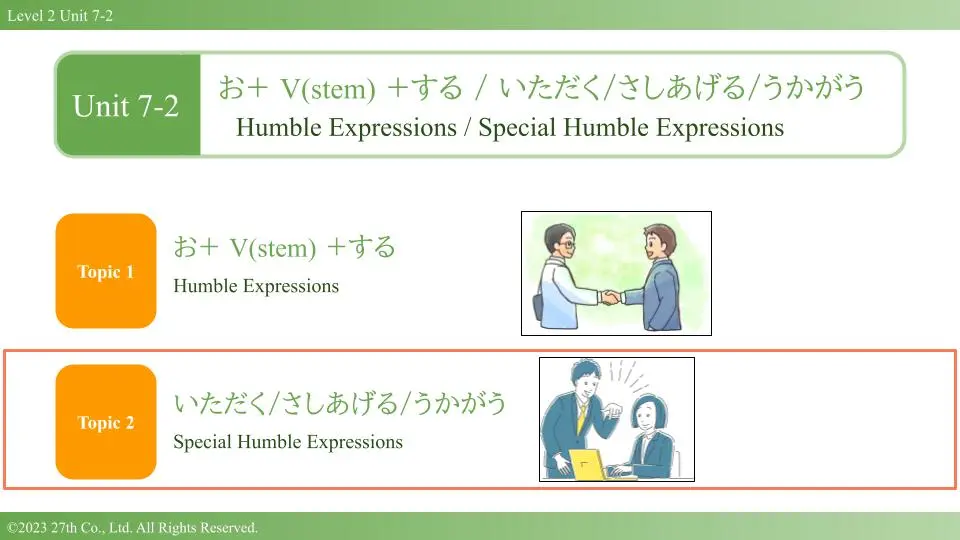
itadaku, sashiageru, ukagau: Special Humble Expressions (Kenjougo) in Japanese
Introduction You already know you can humble your own actions with お + verb-stem + します.But three everyday actions—receiving, giving, and visiting / asking—have... Read more.
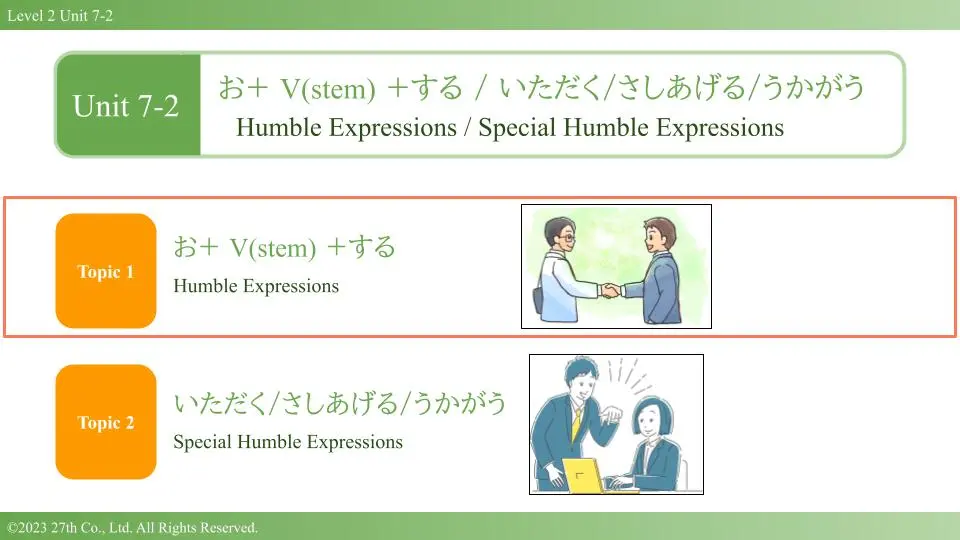
o-verb-stem-suru (お〜する): Kenjougo Humble Pattern for Polite Japanese
Introduction Need to say “I’ll call the client” or “Let me show you the document” without sounding pushy? In Japanese, when your action is directed towards... Read more.
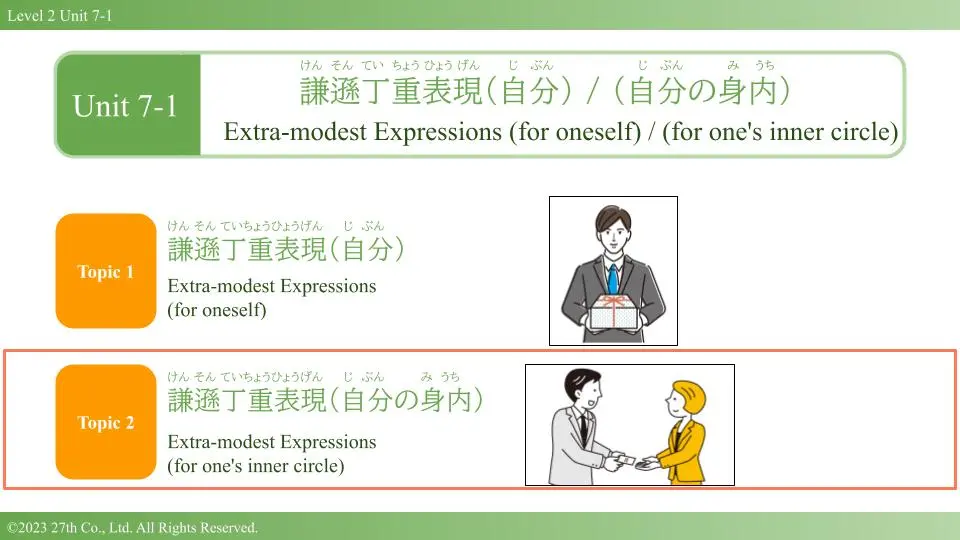
kenjougo (humble language, 謙譲語): Extra-Modest Expressions for Your Inner Circle in Japanese
Introduction You already know how to humble your own actions with 申します, 参ります, and いたします.But in formal Japanese, you must also speak modestly... Read more.